All students have the right to a safe campus, free of sexual violence. SAFER empowers students to hold their universities accountable for having strong campus sexual assault policies and programming. We’re here to help you organize for change. Read More
Search for your school in our national Campus Sexual Assault Policy Database. Not there? Submit an analysis of your school's policy using our student-friendly step-by-step process, the Campus Accountability Project.
Our free online library of organizing resources for stronger sexual assault policies, including an intro to sexual assault activism, policy analysis, and how to be a better organizer. NEW in March 2012: Campus Policy: Down to Details
SAFER offers one-day teach-ins to facilitate campus-wide dialogue, weekend trainings for students only, and a mentoring program for student organizers. Contact us to schedule a training, and we will send one of our experienced organizers to YOU!
What's New at SAFER
- SAFER Communications Coordinator Tracey Vitchers talked to Bloomberg about Senators Gillibrand and McCaskill's efforts to combat campus sexual assault, saying, "Sexual assault survivors complain that police investigators treat them with bias" nationwide.
- In April, SAFER celebrated SAAM in a series of "10 things all sexual violence prevention activists should know." We also highlighted 10 inspiring student sexual assault activists to know! Check it out on the blog!
- Tracey Vitchers was quoted in a story about how colleges are rebranding rape as "nonconsexual sex." "Rape is rape. It's a crime. It's a felony," said Vitchers to Al Jazeera America.
- In an article for the Washington Post, Tracey Vitchers spoke to Jessica Valenti about the existence of rape culture and why it is instrumental to activists' work.

- On January 22, President Obama announced a new initiative to target the college sexual assault epidemic. SAFER's CAP report findings were cited in a story from The Associated Press, on the topic.
- On January 10, Tracey Vitchers was quoted in University of North Carolina at Chapel Hill's student newspaper, The Daily Tarheel, about the university's decision to hire a full-time Title IX Coordinator to ensure the institution's compliance with federal laws.
- SAFER and V-Day is proud to announce the release of Making the Grade? Findings from the Campus Accountability Project on Sexual Assault Policies.
- On October 7, Tracey Vitchers was quoted in MSNBC's The Last Word about how the government shutdown is affecting college sexual assault investigations.
- On September 13, SAFER Evaluation Coordinator Dr. Emily Greytak, was quoted in Christian Science Monitor and ThinkProgress stories about Yale University's efforts to clarify and define "consent."
- Check out a podcast from CALCASA's Prevent Connect, featuring Emily Greytak.
- On May 10, Emily Greytak was quoted in a Huffington Post story about SAFER's study, Moving Beyond Blue Lights and Buddy Systems: A National Study of Student Anti-Rape Activists.
- On April 23, Emily Greytak was also quoted in an Alternet story about SAFER's study.
- In honor of Sexual Assault ACTIVISM Month, this April, SAFER released the results of Moving Beyond Blue Lights and Buddy Systems: A National Study of Student Anti-Rape Activists. For more information, check out our blog where SAFER Evaluation Coordinator Dr. Emily Greytak shared more about the study and its findings. On April 6, Emily was quoted in a USA Today story about the study.
- On March 8, SAFER Board Chair Selena Shen was quoted in a USA Today story about sexual assault responses by college administrations. Is your school keeping accountable for reports of sexual assault?
- Last November, SAFER and Hollaback! published a letter to the editor of the New York Times in response to an op-ed threatening a safe learning environment for college students. Check it out and let us know your thoughts!
- Learn more about policy in SAFER's latest Activist Resource Center (ARC) article, CAMPUS POLICY: DOWN TO DETAILS.
- Got questions about using new media for your campaign? Find answers in SAFER's NEW MEDIA GUIDE.
- Don't let the burnout blues get the best of you. Check out SELF CARE 101!
- Former SAFER Board Member Dan Wald speaks to AlterNet about men's role in anti-rape activism.
- Women's eNews talks to former SAFER Board Members Dan Wald and Sarah Martino about SAFER and V-Day's Campus Accountability Project.
- Check out this factsheet on sexual assault and housing rights on campus, a collaboration between SAFER and the ACLU Women's Rights Project.
- Take a look at our 2009 Policies Database Report. An updated report to come!
Student Stories
-
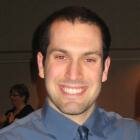
Dan Wald
Ithaca CollegeIn February of 2008, three reported campus rapes prompted the creation of a Sexual Assault Workgroup to reform the school's policy. Dan was part of that group, and describes the process of re-writing the policy.
-

Jerin Alam and Elischia Fludd
CUNY (John Jay and Hunter Collge)Jerin and Elischia began a campaign to implement a sexual assault policy throughout the entire City University of New York system, which covers over 450,000 students. They have a number of organizing tips for students just starting out.
-

Erin Burrows
Sarah Lawrence CollegeErin was part of a successful campaign to completely revise Sarah Lawrence College's sexual assault policies and programming. SLC students got creative with protests and zines, and after three years of hard work their new policy was adopted in fall 2009.

Recent Blog Posts
- SAFER Statement on Campus Accountability and Safety Act Jul 31
- Looking Forward Jul 1
- Upcoming Event: Focus Group Jun 20
- SAFER Sits Down with Student Anti-Rape Activist John Kelly to Talk Activism, Organizing and Remembering to Breathe Jun 2
- 10 Student Sexual Assault Prevention Activists to Know!: #10 Emma Halling, Kansas University Apr 29
Join our list

Not a Student?





.png)


