In a bold move, New School students affiliated with campus organizations such as the Radical Student Union have staged a sit-in, raising their voices in protest against current university governance and demanding transformative changes. The sit-in, punctuating the end of the fall semester, has brought student activism to the forefront of collegiate discussion.
The student protestors have issued a collective statement emphasizing their support for the faculty's vote of no confidence in President Bob Kerrey and Executive Vice-President James Murtha. They criticize the administration for its lack of democratic accountability and disregard for student input in educational matters. The demands include the removal of top university officials and a shift toward a more transparent and participatory governance model.
Demands have emerged for a democratic restructuring of university leadership. Students, faculty, and staff seek not just a voice, but actual electoral power in choosing their president, executive vice president, and provost. Proponents argue that such democratic practices would ensure leadership decisions reflect the community's needs and interests.
The demands extend to financial transparency, insisting upon clear disclosure of the university's budget and investment activities. Moreover, the creation of a committee on socially responsible investments is proposed to align the university's financial undertakings with its core values.
Students are petitioning for a suspension of ongoing campus developments, proposing that funding be redirected towards scholarships, tuition reduction, and improving student life, including renovations for the library and the creation of an autonomous student space.
These demands reveal a united front in the aspirations toward a socially responsible university. College activism, no matter the campus, strikes a chord in the ongoing conversation about equitable and accountable university administration.
Campus organizations have long been at the heart of change in university settings across the nation. Students are increasingly calling for changes not only in how they're represented but in how their safety—physical, emotional, and educational—is prioritized and protected.
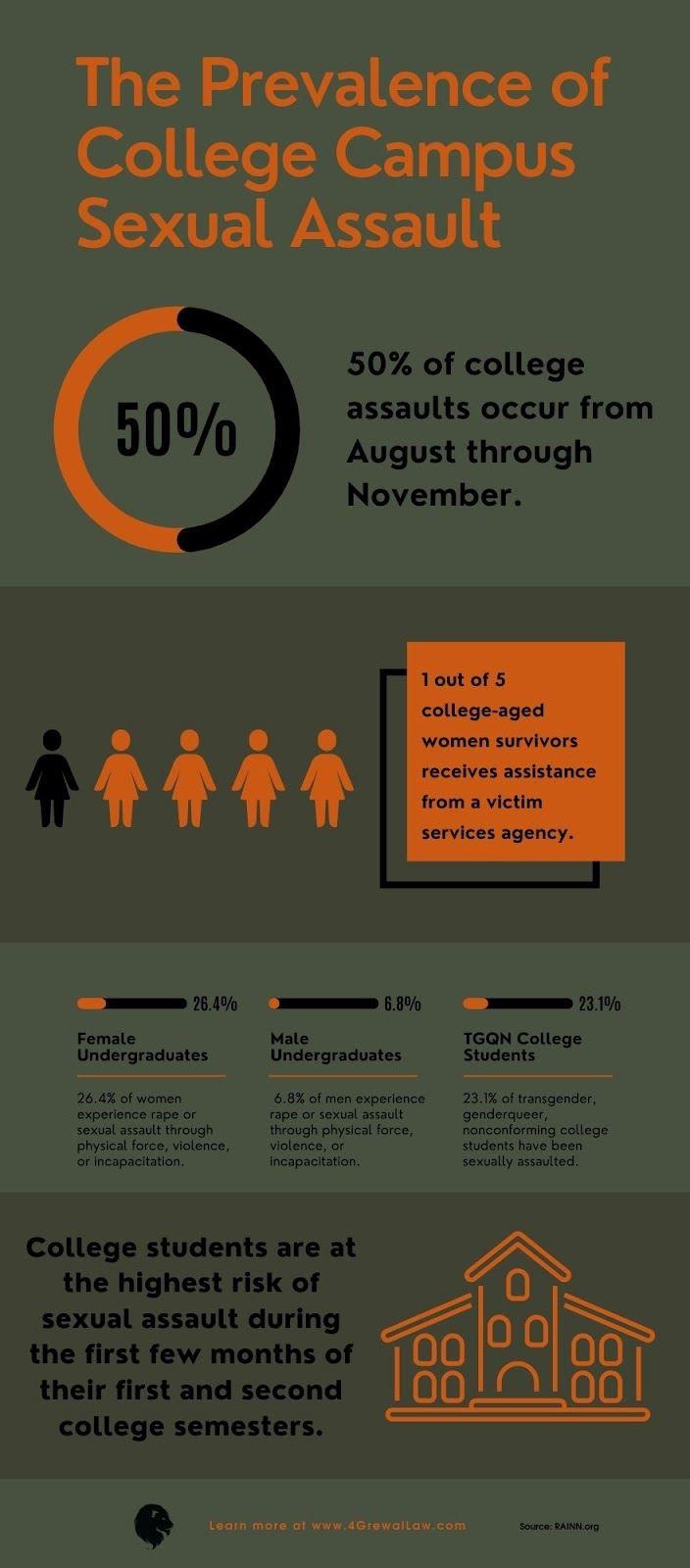
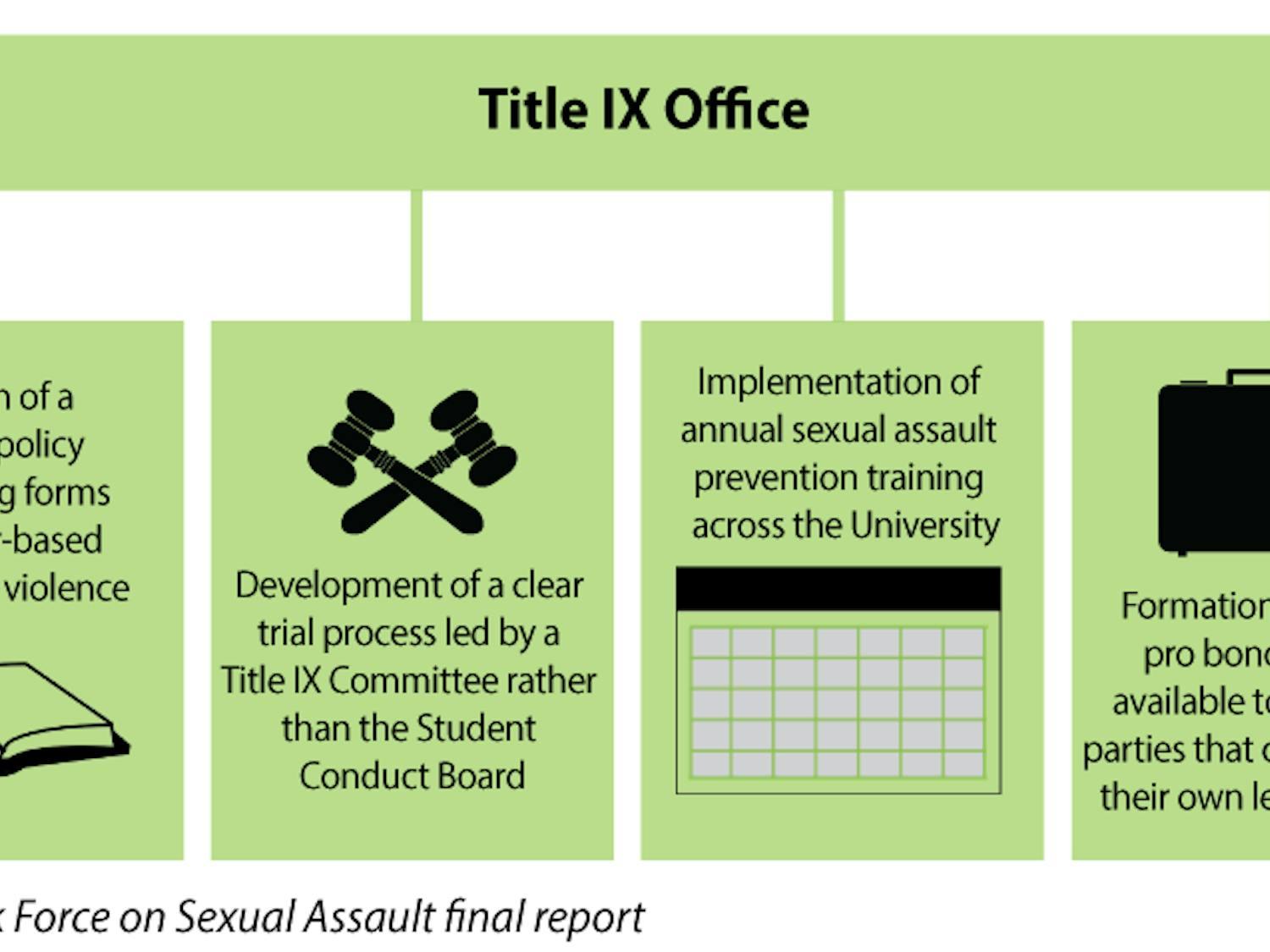
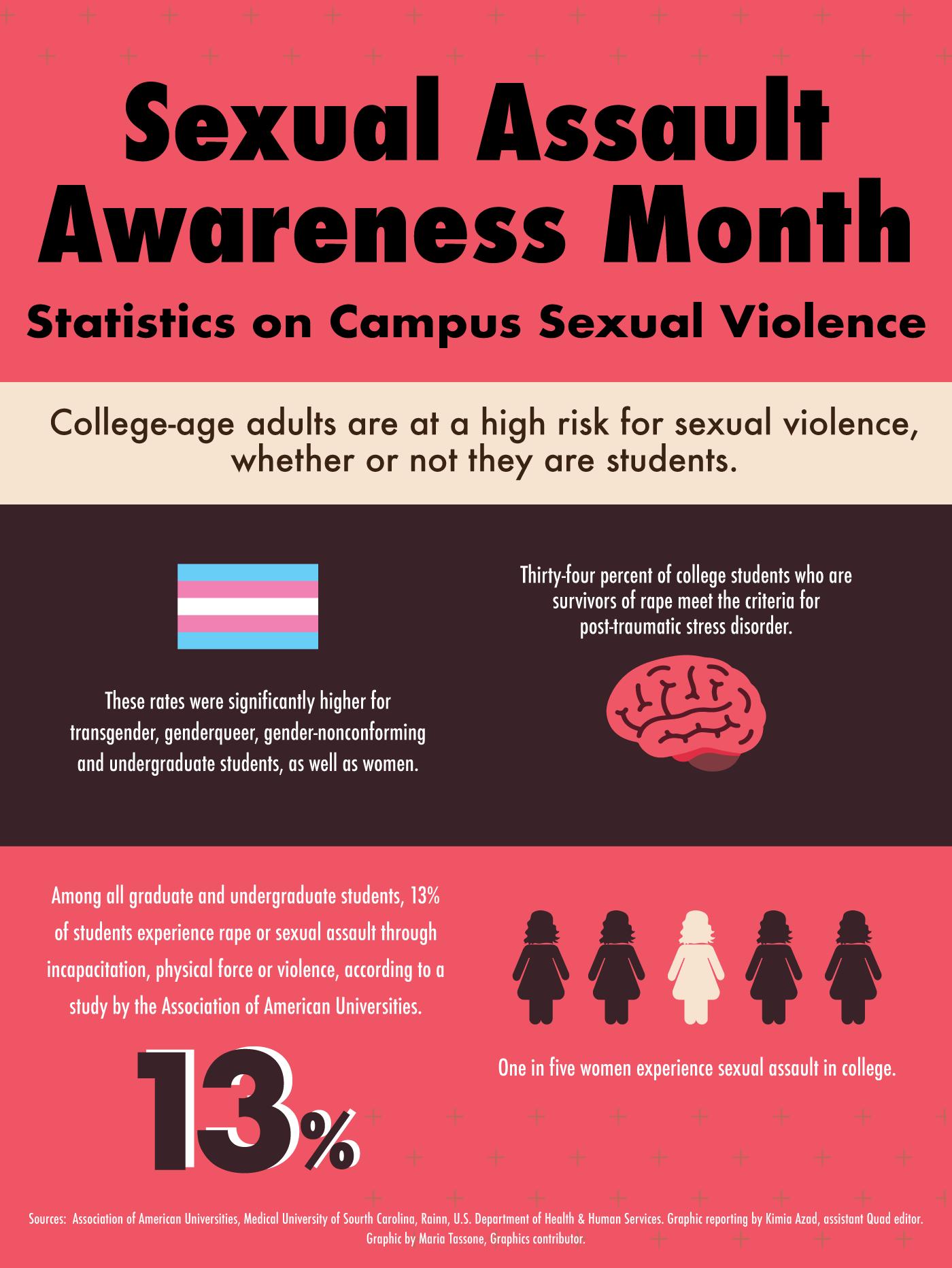
Recognizing that personal safety is a key component of student life, initiatives like sexual assault awareness campaigns are gaining momentum. Students are voicing that prevention programs should go beyond mere awareness and involve direct action and comprehensive support services.
While the focus is the New School, this student activism echoes a broader societal insistence on change. Topics like financial transparency, ethical investments, and social justice are not confined to campus issues alone; they mirror the concerns of a global community seeking progress and fairness.
The student demonstrations at the New School are not isolated incidents; they reflect a generational drive to achieve deep-rooted change. This unrest and demand for action pervade discussions in every forum, from academic to corporate, and even into travel, where socially responsible policies and practices are increasingly sought after. Whether considering the selection of accommodations or the mode of transportation, the principles of ethical engagement and community accountability are becoming ever more integral to decision-making processes.
As these movements gain strength, the dialogue continues, signifying an era of transformative thought and action that stretches far beyond the confines of any single institution or sector. It's a time for universities—and the larger society—to listen, adapt, and reimagine the structures that will shape our future.