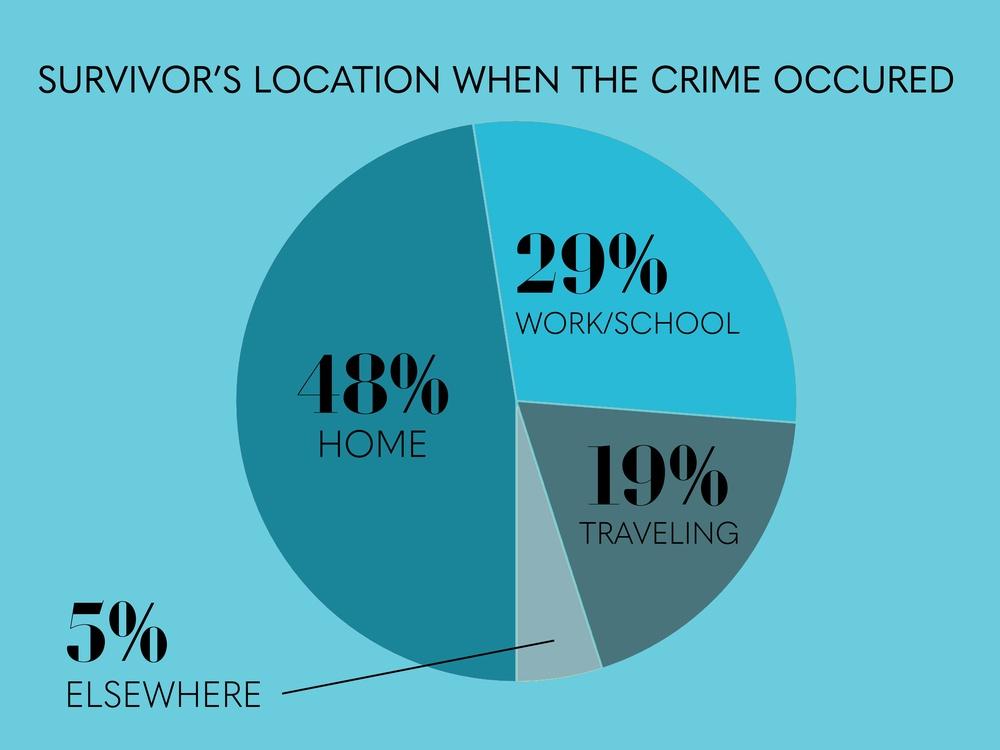
Sexual assault is a pervasive issue that plagues societies worldwide, far too often relegated to hushed tones and uncomfortable silences. Every statistic represents a story, a person, a life impacted, and the heartrending reality is that many survivors face these traumas in isolation due to societal stigmatization and insufficient community support.
While the term 'bystander effect' might recall a psychological concept, it has tangible implications in the realm of sexual assault. Incidents where individuals are assaulted in the presence of others, yet find themselves devoid of aid, are haunting illustrations of the necessity for bystander intervention training.
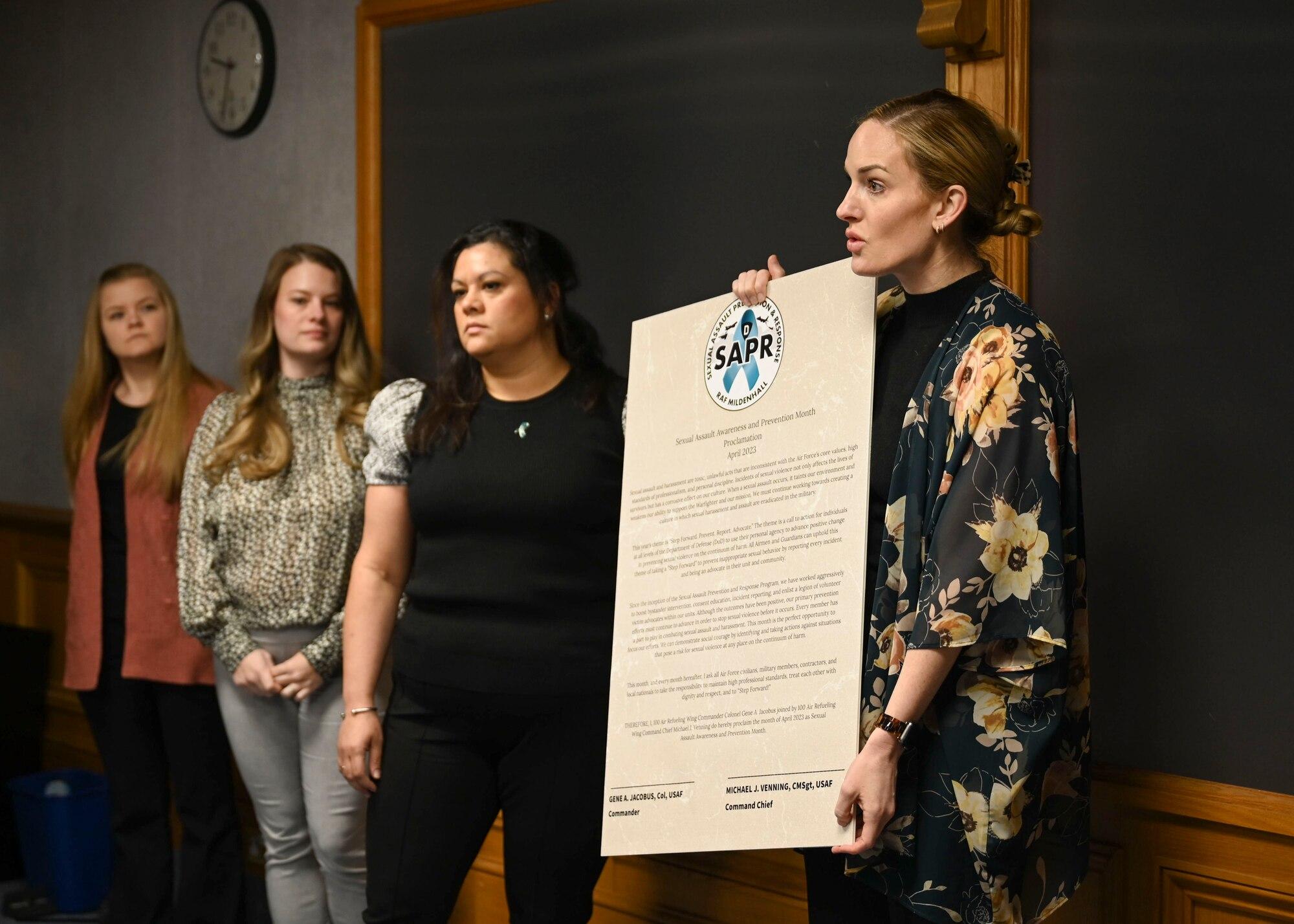
Bystander training is more than a mere prevention program – it's an educational tool that empowers individuals to act against sexual assault. By cultivating awareness, imparting knowledge, and challenging societal myths surrounding sexual assault, these programs aim to foster a proactive approach towards creating safer communities.
The SAFER initiative underscores the importance of community involvement in preventing assaults. Through blogs, programs, and active dialogue, SAFER brings to light the collective role in dismantling a culture that inadvertently perpetuates violence.
University campuses are taking strides forward, employing comprehensive bystander training as a staple of their safeguarding policies. These inquiries into practical methods of intervention form the backbone of a more conscientious and protective educational environment.
The power to prevent sexual assault does not solely reside within structured programs but also in the everyday conversations that shape our societal norms and values. Detaching from the pack mentality that condones inappropriate 'jokes' and behavior is a step in the right direction.
It's crucial to understand that the repercussions of such 'humor' create real-world consequences, desensitizing individuals to the gravity of sexual assault and establishing a permissive environment for aggressors.
As travelers voyage into new territories and experiences, there exists a pivotal opportunity to exchange ideas and cultural practices, including the essential protocols of safety and respect. In hotels and other transient spaces, we carry the mantle of personal and communal responsibility; it is here where the seeds of change can be sown, through our actions and interactions, regardless of our geographical location.
Creating a world where travel is synonymous with cultural exchange and mutual respect begins with each individual, within every community, and in all spaces we inhabit – temporary or permanent.