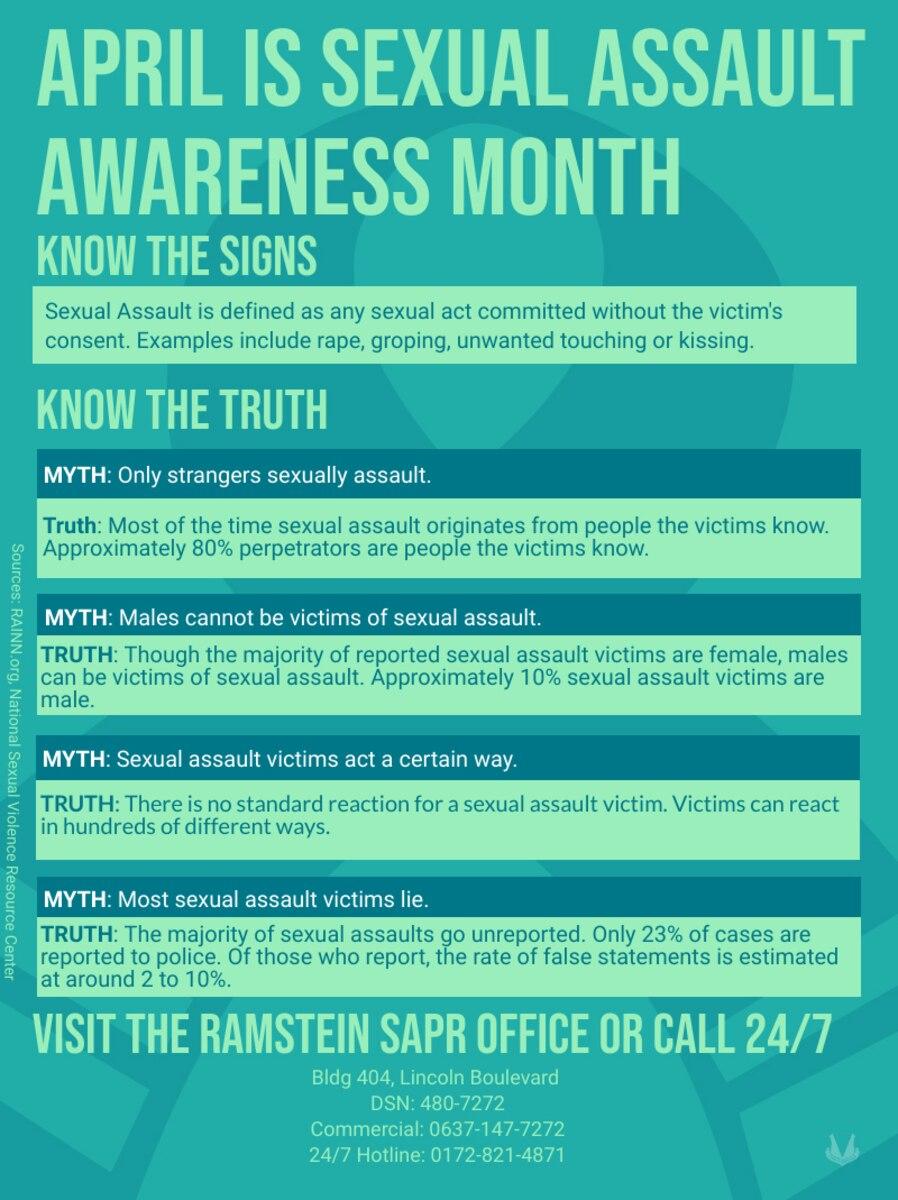
Sexual violence is a deeply ingrained issue that affects communities across the globe. Despite the various social awareness campaigns and educational programs in place, misconceptions about the nature of sexual violence persist. It is critical to understand the reality of how sexual violence happens to address the problem effectively and create a safer society for everyone.
Rather than relying on the victim-blaming rhetoric that often pervades public discourse, it is imperative that we look to research and the actual stories of survivors for clarity. The usual portrait of a sexual offender tends to be divorced from statistical reality. More often than not, the perpetrator is someone well liked in social circles, frequently athletic and popular. Their approach is calculating and deliberate rather than opportunistic. Understanding the predator's mindset is key to grasping the mechanics of the crime.

Many assaults begin in social environments such as parties or bars. Here, perpetrators often seek out individuals who appear to be without a support network. Isolation is a strategic move to gain control and diminish the victim's ability to resist or seek help. The misconception that altering a potential victim's behavior can prevent such incidents is dangerously misguided. Instead, the focus must shift to addressing the behaviors and entitlement attitudes of the perpetrators themselves.
The widespread misunderstanding about consent is alarming. It is not uncommon for an assailant to misinterpret—or rather, deliberately ignore—a victim's unwillingness as consent. This rationalization, coupled with the use of coercion or physical force, underscores the calculated nature of such attacks. It is essential to recognize that consent cannot be inferred from a victim's lack of resistance due to fear, intoxication, or any other reason.
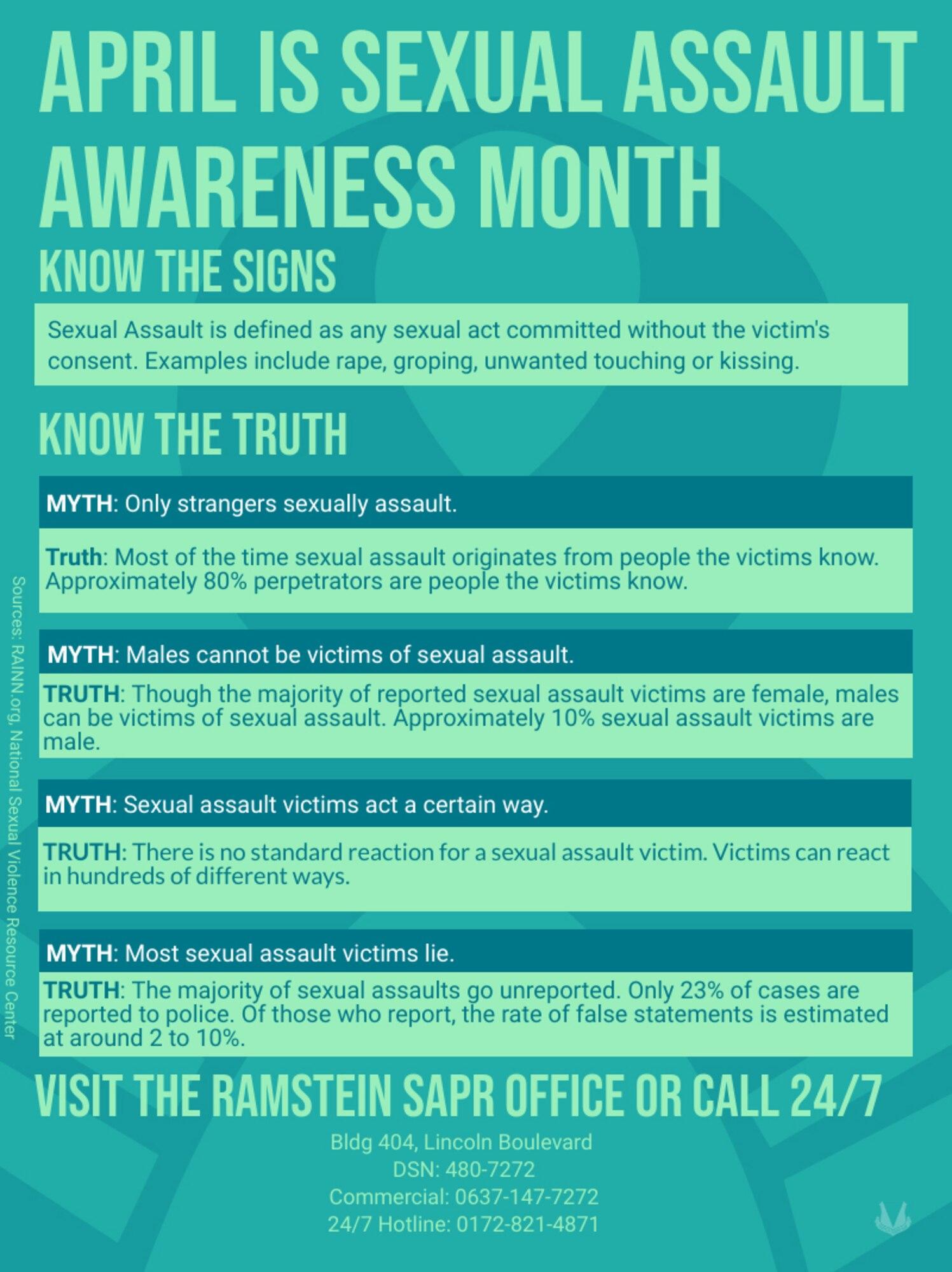
Discourses that place the onus on victims to prevent their assaults fail to tackle the root issues. Proposing that women alter their behavior to avoid being targeted is not only impractical but also perpetuates dangerous stereotypes and fosters a culture of blame. Only by addressing the problem at its source—perpetrators and their sense of entitlement—can society make genuine progress in combating sexual violence.
Anti-violence organizations play a pivotal role in supporting survivors, educating the public, and advocating for policy changes that prioritize the safety and rights of all individuals. It's vital to continue supporting these groups and partaking in events such as National Reproductive Justice Action Week that aim to increase awareness and provoke societal change.
Now is the time for communities to engage, for individuals to raise their voices, and for allies to stand in solidarity with survivors. Through educational blogs, local college news, and community fundraising efforts, the collective power to shift the narrative and foster genuine change is evident.
As we reflect on the impact of sexual violence, it is essential to recognize and reinforce the importance of safe spaces, including when traveling. Whether staying at hotels or exploring new destinations, maintaining a vigilant and informed stance on personal safety remains crucial. The principles of advocating against sexual violence extend beyond familiar environments—it is a global commitment to ensure respect, dignity, and security for all individuals, irrespective of where they are in the world.